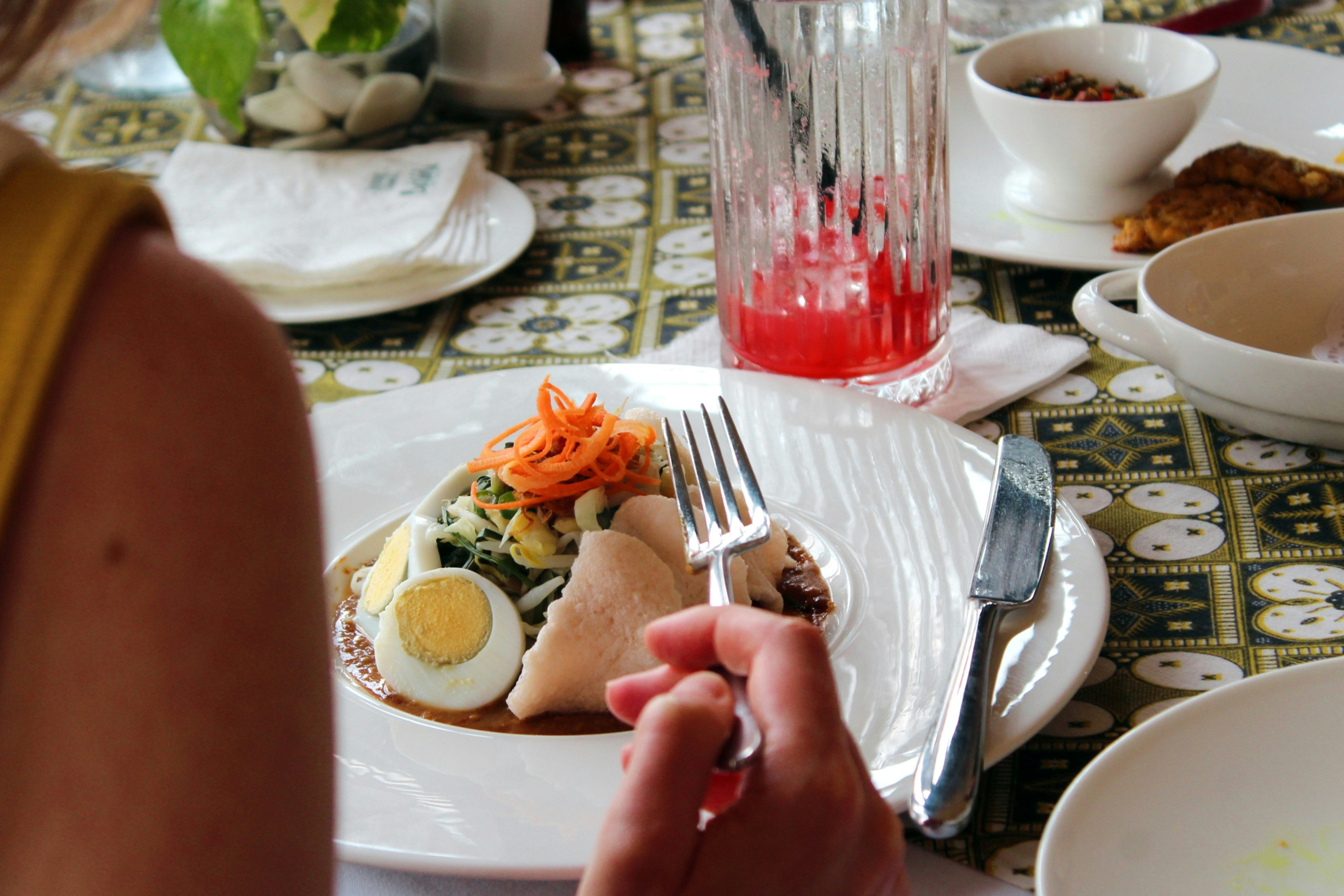
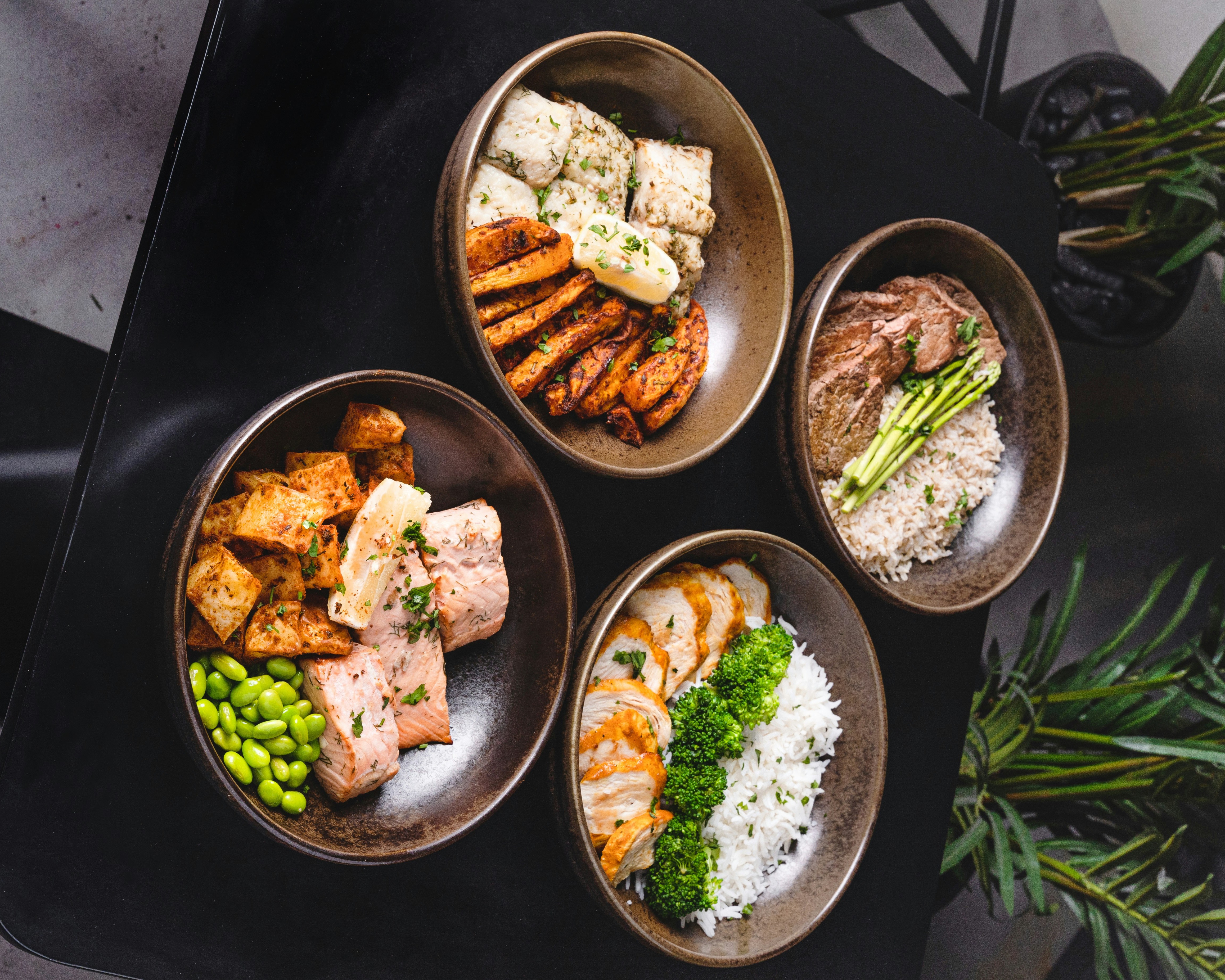
Trace your gut patterns.

Scan meals, log reactions, and see what works.

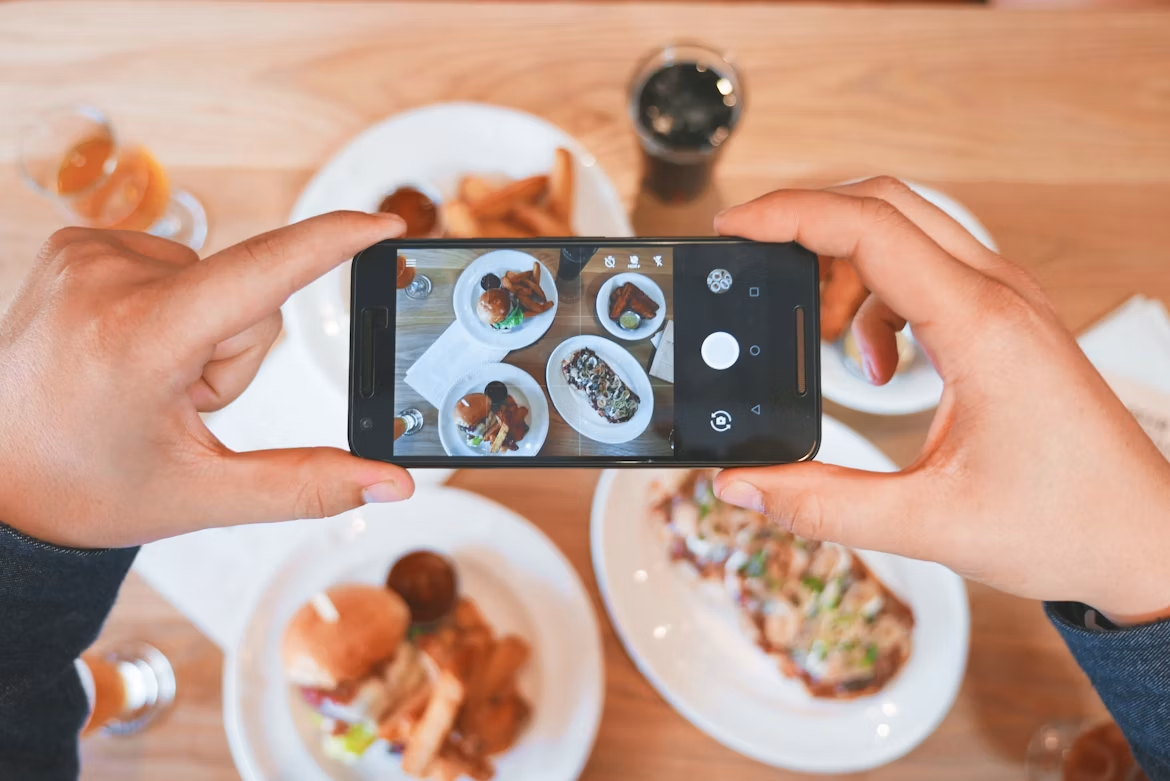
Scan beforeSee food in your context
Log afterCapture reactions naturally
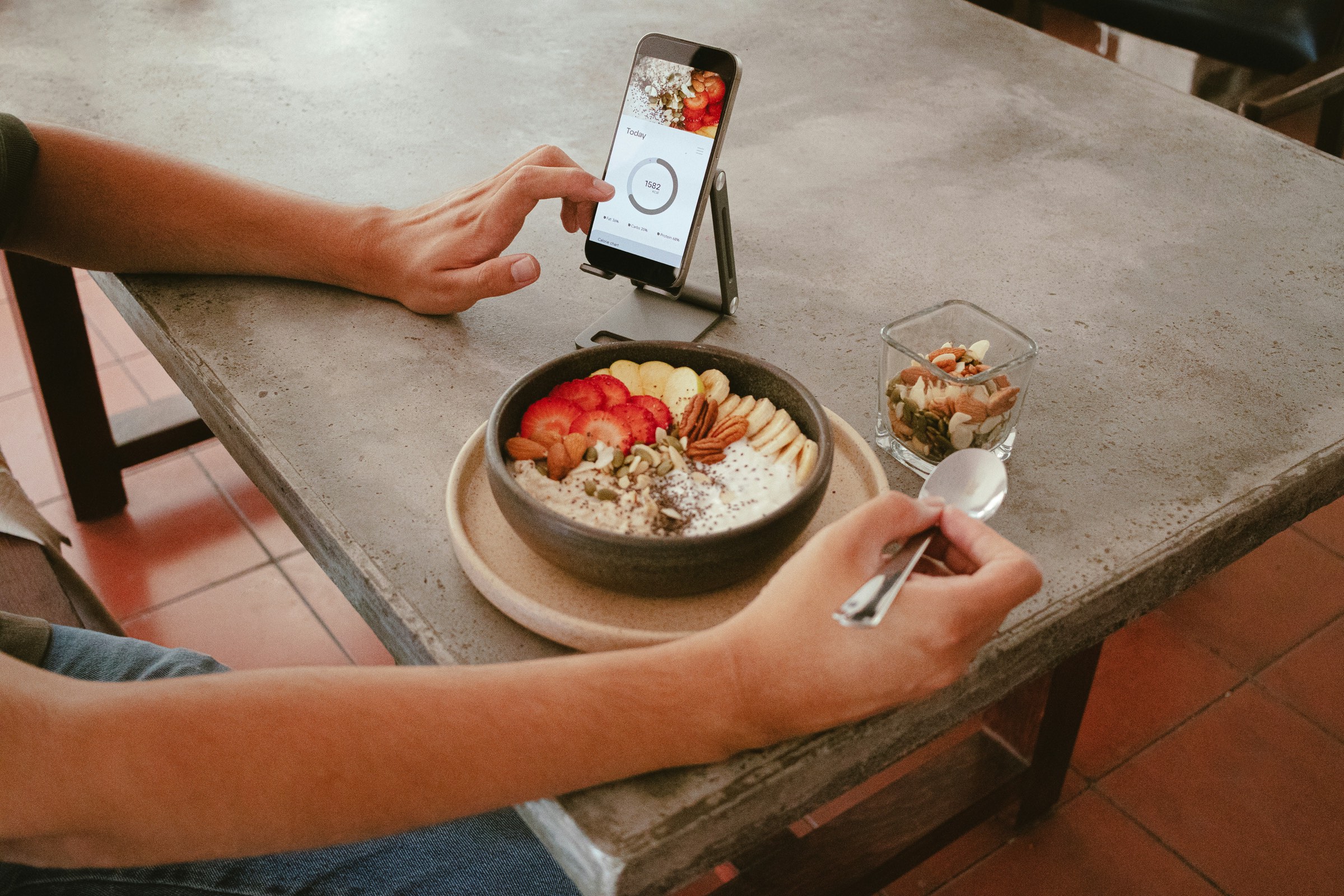
Trace patternsConnect recurring signals
Ask what’s nextAct with clearer context

Scan first. See what may affect tolerance.

Hara reads the menu, checks it against your gut history, and explains the personal signals behind every result.

Your data flows into better answers.

Hara starts with your own baseline, then updates what it has learned as symptom and symptom-free meals accumulate. Repeated, independent evidence carries more weight than a one-off.

Hara learning loop Six bordered Hara workflow cards show a closed evidence loop. Confirmed meal exposures are compared with the user's baseline; past logs update the personal pattern; co-occurrence, portion, and preparation affect confidence; and both symptom and symptom-free logs update the next answer. The Guide output continues directly into grocery guidance and a shareable care summary below. These are associations, not diagnoses or proof of cause. Capture InputPost-meal reactions AddsMeal + reaction status OutputConfirmed exposure Structure InputConfirmed exposure AddsIngredient + portion + prep OutputComparable evidence Personalize InputComparable evidence AddsPast logs + baseline OutputUpdated pattern Reason InputUpdated pattern AddsCo-occurrence + context OutputEvidence-weighted score Guide InputEvidence-weighted score AddsCurrent meal + gut state OutputPractical guidance Learn InputPractical guidance AddsReaction-free + symptom logs OutputUpdated evidence

Human expertise. Hara between visits.

A dietitian brings clinical judgement. Hara keeps everyday meals, reactions, and questions connected between appointments.

Human dietitian and Hara AI dietitian comparison
Human dietitian Hara AI dietitian
Personal food guidance
No appointment needed Appointment-based
Questions between visits Not always included Ask anytime
Remembers everyday meals, reactions, and context What you bring
Checks a menu before you eat During a visit
Updates your pattern view At follow-up
Lower-cost ongoing support Paid per appointment Monthly or annual app plan
Best role in your care Clinical nutrition care Everyday food decisions

Hara provides informational wellness support and does not diagnose or treat medical conditions. Use it alongside guidance from a qualified healthcare professional.

Know more before you eat.

Build an evidence-backed picture of your gut—one check-in, meal, and reaction at a time.

Get started
What does Hara help me do?

Hara turns food photos and menu choices into structured meal records, then connects them with the timing, severity, and context of reactions you log. Over time, it can compare periods, surface recurring associations, suggest gentler meal options, and prepare a concise summary for a GI doctor or dietitian.

What does “evidence-based” mean in Hara?

Hara combines publicly available IBS and IBD dietary guidance and research with the longitudinal evidence in your own records. Its educational references may include work from organizations such as the Crohn’s & Colitis Foundation, Monash University, the National Institutes of Health, and the American College of Gastroenterology. General evidence and your personal observations stay distinct, so a population-level guideline is not presented as proof about you.

How does Hara learn what is personal to me?

Hara starts with your own baseline and updates personal patterns as new meal outcomes are logged. A signal gains weight when it recurs across independent, comparable exposures; it loses weight when evidence is sparse, ingredients always appear together, or symptom-free logs contradict it. Portion, preparation, symptom timing, and current gut state help Hara judge whether two experiences are meaningfully comparable.

Can Hara tell which food caused a symptom?

No. Hara identifies associations in your records, not causation. A reaction can reflect portion, preparation, several ingredients eaten together, timing, or factors outside the log. Hara therefore presents recurring ingredients as signals to watch—not proof of a trigger, inflammation, or flare activity—and keeps limited evidence labeled as uncertain.

How can I use Hara with a clinician?

Hara can organize a date-bounded view of symptom changes, reaction timing, repeated food signals, and gaps in the record, then draft a short discussion summary for a GI doctor or dietitian. This can make a visit more concrete, but the summary is not a clinical note, diagnosis, or urgency assessment.

Who is Hara designed for?

Hara is designed for people navigating IBS, IBD, Crohn’s disease, or ulcerative colitis who want a more structured way to understand everyday food decisions. It is most useful when meals, symptom-free outcomes, reactions, and gut-state check-ins are logged consistently enough to compare over time.

Is Hara a diagnostic or treatment tool?

No. Hara provides informational wellness guidance; it does not diagnose a condition, measure inflammation, determine whether you are in a flare, or prescribe treatment. Use it to observe and communicate patterns, and work with a qualified healthcare professional for medical decisions or symptoms that concern you.

Hara combines information you choose to log with publicly available dietary guidance and research to provide informational wellness guidance. Personal signals describe associations in your records; they do not establish causation, diagnose disease, measure inflammation, or determine flare activity. Always seek guidance from a qualified healthcare professional for medical decisions.